
What is a Pellet?
The wood pellet we produce is an environmentally friendly, high-calorie fuel type used to produce energy, obtained by grinding, drying and then pressing under high pressure materials such as sawdust, wood, wood chips, boards and pallet waste.
Product Features
| Diameter | 6±1 mm |
| Size | 3,15 < L ≤ 40mm |
| Humidity | < 10 % |
| Ash | ≤ 0,7 % |
| Mechanical Strength | ≥ 98,0 % |
| Fine grains | (< 3,15mm) ≤ 0,5 % |
| Net calorific value | ≥ 4,6kWh/kg |
| Bulk density | 600 ≤ BD ≤ 750 |
The Wood Pellets we produce have the International ENplus A1 Certificate.
Advantages of Pellet Fuel

It is a renewable and sustainable energy source.

It has high energy value and efficiency, and burns easily.

It reduces dependence on fossil fuels.

It is much less dangerous than the use of other fossil fuels.

It reduces external dependency on energy. It is a 100% domestic product.

It has a low ash content (Approximately 1%). The ash formed as a result of combustion can be used as a natural fertilizer.

The flue gas emission value is low, does not pollute the environment, is ozone friendly and is below the acceptable CO emission threshold values according to the Kyoto Protocol.

Wood pellets are easy to transport and require less space to store than wood.

It reduces the unregistered use of forest products.

The cleanest combustion system among solid fuel systems is pellet burning systems.
How Should Good Pellets Be?
Pellet can be made from many materials such as forest materials, wood waste, paper, vegetable and fruit pulp.
In order to produce wood pellets at the Seba facility, high-yielding pure forest products such as sawdust, wood, wood chips, board, pallet waste are used. Raw materials that have components that will reduce product quality such as bark, root or chemically processed wood are not used.
The density and dust content of wood pellets directly affect combustion efficiency. Therefore, it is important to perform the densification process correctly.
The densification process includes grinding, drying, and pressing processes. High-tech machines are used in the Seba facility to produce high-density, dust-free wood pellets.
Wood pellets have a higher calorific value compared to unprocessed forest products. With a good drying and quality pressing process, the calorific value of the pellets is between 5000-5500 kWh/ton. The purity of the raw material used is the most important factor in achieving the desired calorific values.
The amount of ash formed by burning wood pellets is quite low compared to other solid fuels (approximately 1%). In this way, it provides users with comfortable heating. In order to keep the ash content of the pellets it produces to a minimum, Seba does not use raw materials that increase ash formation such as bark and root.
The ash formed as a result of combustion can be used as a natural fertilizer.
One of the most important factors affecting the combustion efficiency of wood pellets is the moisture content. The moisture content in the final product should be below 10%. Therefore, the moisture content of the raw material and the final product is constantly controlled in the Seba production line.
Chemical or organic additives are used to increase the binding force in wood pellets. For premium quality pellets, these additives should not exceed 1.8%. Seba does not use binders in the pellets it produces unless necessary.
Not every wood pellet can provide the benefits and quality described. Production must be carried out according to certain standards.
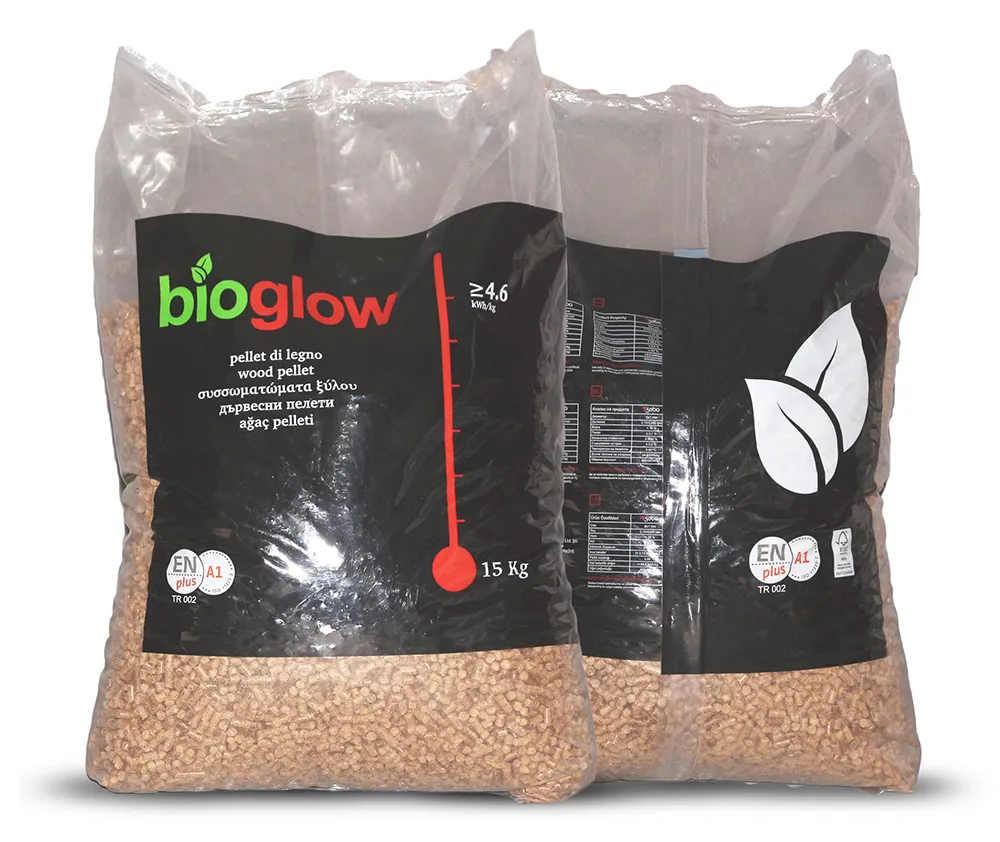
Seba packages the pellets it produces in 15 kg packages and 20 kg bags for ease of transportation.
Pallet dimensions and the amount of product loaded onto the pallet may vary from manufacturer to manufacturer. Therefore, attention should be paid to the unit price of the product when purchasing.